
How to Prepare for a Recession: A Step-by-Step Guide

Updated: Sep 2, 2025
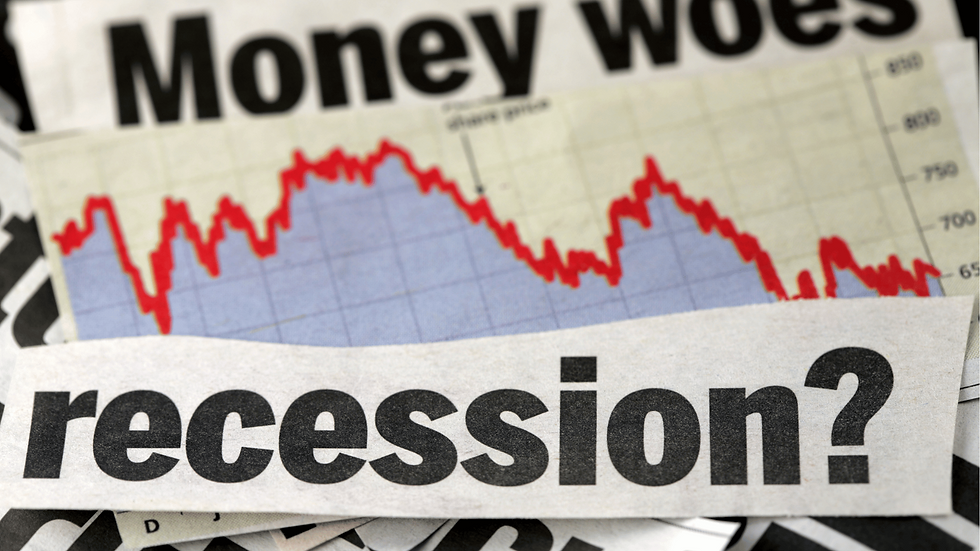
Curious to know how to prepare for a recession? We’ve got you covered at YPP with 8 steps:
→ Understand What a Recession Means for You
→ Build (or Rebuild) Your Emergency Fund
→ Pay Down High-Interest Debt
→ Reevaluate Your Budget
→ Recession-Proof Your Income
→ Stay the Course with Investments
→ Pause Major Purchases & Reassess Goals
→ Work With a Financial Advisor
Recession headlines can feel overwhelming and super stressful – plus, they’re hard to escape in today’s modern world. Between rising interest rates, market swings, and talks of a downturn, it’s natural to wonder: Are we in a recession? Is a recession coming? What even is a recession?
And more importantly: What does a recession mean for me?
At Your Planning Partner (YPP), we believe the best response to economic uncertainty is intentional, values-based planning. Whether we’re already in a recession or just seeing early signs, now is the time to build financial resilience, so you're ready for whatever comes next.
This expert guide made by pros here at YPP walks you through how to prepare for a recession with eight smart, actionable steps designed to help you stay confident in any economic climate.
How to Prepare for a Recession Step 1: Understand What a Recession Means for You
Recessions affect people in lots of different ways depending on their career, investment profile, debt load, and financial stability. That’s why the first step in knowing how to prepare for a recession isn’t necessarily action — it’s awareness. Here’s what you need to know:
A recession is defined as two consecutive quarters of negative GDP growth, but the real-world impact runs deeper. During a recession, consumers often pull back on spending, businesses cut costs (often via layoffs), and investment markets may drop significantly in value.
According to the National Bureau of Economic Research, a recession is marked not just by GDP decline, but by a visible slowdown in employment, income, industrial production, and retail sales. What that means for you depends on your unique financial picture:
Is your income stable? Workers in certain industries like tech, real estate, hospitality, and construction are often more vulnerable during recessions.
Do you rely on commissions or self-employment income? Cash flow may slow down if clients delay spending or contracts dry up during a recession.
Are your investments overly aggressive or concentrated? Market volatility can reduce portfolio value – especially if you're nearing retirement age.
Are you carrying high-interest debt? Interest rate hikes often accompany recessions, making credit card and loan payments more expensive, thus harder to pay off.
Pro Tip from YPP: Use this how to prepare for a recession step 1 as a sort of financial check-in. Map out your income sources, job security, and risk exposure across your assets and debts. This awareness sets the tone for all your next moves – because you can’t recession-proof your finances if you don’t understand how a downturn could affect you.
How to Prepare for a Recession Step 2: Build (or Rebuild) Your Emergency Fund

When uncertainty strikes, cash is confidence.
A well-stocked emergency fund gives you things like flexibility, peace of mind, and breathing room — especially during times of income disruption, unexpected expenses, or rising costs. It’s one of the most important steps when learning how to prepare for a recession.
Why it matters during a recession → In a downturn, layoffs, reduced hours, or client slowdowns are more common. Having liquid savings means you don’t have to turn to high-interest credit cards or personal loans to cover your key essentials – something that becomes even more costly if interest rates rise. These act more like short-term band-aids.
How much to save:
3–6 months of essential living expenses is the standard recommendation we give.
If you're self-employed or in a vulnerable industry, aim for 6–9 months to account for longer periods of uncertainty.
Where to keep it:
A high-yield savings account (FDIC-insured) gives you safe access and earns interest.
Money market accounts are another solid option – just make sure your funds are easily accessible.
Quick ways to build your fund:
Automate small transfers every payday – even $25 a week adds up.
Use windfalls like tax refunds, bonuses, or cash gifts to jumpstart savings.
Cut one non-essential monthly expense and redirect that amount to savings.
YPP Insight: Your emergency fund is your financial buffer – not your investment. It doesn’t need to “earn” in the traditional sense; it just needs to be there when you need it most. Because when a layoff hits or a surprise bill shows up, scrambling for cash is the last thing you want (we’ve all been there). Start small if you have to, but stay consistent; building this cushion is one of the smartest moves you can make when preparing for a recession – we promise it pays off.
How to Prepare for a Recession Step 3: Pay Down High-Interest Debt
If you're serious about learning how to prepare for a recession, one of the smartest steps is dealing with high-interest debt. Why? Because debt doesn’t sit quietly in the background – it grows. And during a recession, it can quietly undermine everything you’ve worked hard to build.
When income slows down and interest rates go up (which they often do during downturns), that lingering credit card or personal loan balance can quickly spiral. Suddenly, you're not just managing some debt – you're struggling to stay afloat in a rapidly changing ocean of water.
Start here – the debt that drains you the fastest:
Credit cards with interest rates above 15%
Personal loans with variable rates that could climb
Any debt where your monthly payment feels like a strain, even in stable times
Proven strategies we love at YPP to try:
Avalanche method: Pay off the highest interest rate first while making minimum payments on the other smaller ones. This saves the most money in the long run.
Snowball method: Start with the smallest balance first to build confidence and momentum. It’s great if you need a psychological win and a nice dopamine hit.
Consolidation or refinancing: If your credit score allows, you may qualify for a lower-interest personal loan or 0% APR balance transfer card to reduce your total interest – but always read the fine print before signing off on anything, of course.
A common recession trap to avoid → Don’t empty your emergency fund just to become debt-free. We know it’s tempting – especially when high balances feel suffocating – but your emergency savings is what stands between you and financial instability in a crisis. Instead, aim for a measured balance – one that chips away at debt while preserving your liquidity.
YPP Insight: High-interest debt is like a leak in your financial boat. It may seem manageable now, but if a recession hits – a job loss, a drop in income, an unexpected expense – that leak can sink your progress. Paying it down now protects your future self. It frees up your monthly cash flow, reduces your financial stress, and strengthens your overall recession strategy.
How to Prepare for a Recession Step 4: Reevaluate Your Budget
When you’re learning how to prepare for a recession, this is one of the most practical (and empowering) steps you can take. Recessions tend to expose financial weak spots — and a vague, outdated, or overly optimistic budget is often one of them. Tightening up your spending isn’t about going without; it’s about getting honest, proactive, and intentional.
A recession-ready budget helps you stay in control, even when things around you aren’t.
Do a quick budget audit → Start by reviewing your current spending habits – and separating your essentials from your non-essentials. You can do this on a piece of paper or your phone.
Essentials: mortgage or rent, utilities, groceries, insurance, transportation
Non-essentials: subscriptions, takeout, streaming services, impulse purchases
You don’t have to slash everything – just get clear on what’s flexible and what’s fixed. When you know where your money is going, you can make smarter trade-offs without the panic. That kind of awareness gives you breathing room later, especially if your income takes a hit.
Smart tweaks to free up cash flow:
Cancel or pause unused subscriptions (you can always re-subscribe later, or only subscribe to the platform you’re using for that month, like Netflix or Hulu)
Call your service providers to negotiate better rates
Plan your meals and shop with intention to minimize food waste and save money
Delay big purchases or “nice-to-haves” until you’ve built a stronger financial cushion
Pro Tip from YPP: Add a “recession cushion” category to your budget – even if it’s small. This could be $50 to $100 a month that you redirect toward savings or debt repayment. Because when a car breaks down or groceries suddenly cost 20% more, that cushion can mean a lot. It’s not just about cutting back – it’s about building up your flexibility before you need it.
How to Prepare for a Recession Step 5: Recession-Proof Your Income

If your emergency fund is your safety net, your income is your lifeline – and during a recession, that lifeline can feel a little shaky. That’s why recession-proofing your income is one of the most proactive steps you can take when learning how to prepare for a recession.
Layoffs, reduced hours, and hiring freezes indeed become more common in a downturn or recession. Even if your job feels secure now, industries can shift fast – and being caught unprepared can leave you scrambling. The goal here isn’t panic – it’s preparation.
Ways to strengthen your income stream:
Upskill through free or affordable learning platforms like LinkedIn Learning, Coursera, or Skillshare. Focus on high-demand skills in your field or a growing adjacent industry (think digital marketing, project management, coding, or data analysis).
Explore a side hustle that aligns with your strengths – whether it’s freelance work, consulting, tutoring, or monetizing a hobby. Even small supplemental income helps.
Strengthen your professional network. Reconnect with past colleagues, comment on industry posts, and update your profile. Opportunity often comes from relationships!
Pain point to consider → In many industries, layoffs happen in waves, and by the time you realize your role is at risk, the job market may already be overly saturated. A small amount of prep now can help you avoid being one of hundreds applying for the same position later.
Trend spotlight: “Career cushioning” → This phrase is virally trending for a reason: more professionals are quietly preparing for instability by developing new skills, exploring side income, and setting up backup plans. It's not disloyal – it's strategy at its finest.
YPP Insight: Recession-proofing your income isn’t just about earning more – it’s about building stability, adaptability, and confidence. The more flexible your income sources are, the more resilient your financial life becomes. Think of it as future-proofing your peace of mind.
How to Prepare for a Recession Step 6: Stay the Course with Investments
When markets are shaky, it’s easy to feel like you should do something – anything – with your investments. But if you're learning how to prepare for a recession, here's one of the most important truths: reacting emotionally to short-term dips can derail long-term growth.
In times of uncertainty, fear drives impulsive decisions, like pulling money out of the market at the worst moment. But history shows that markets are cyclical. Staying consistent, rather than reactive, is often the difference between weathering the storm and locking in losses.
Smart steps to take:
Stick with your current investment strategy if your goals and timeline haven’t changed. Short-term market noise doesn’t necessarily call for long-term changes. If your plan was built for the long haul, trust it – and give it the time it needs to work. Rebalance your portfolio if it’s drifted significantly from your target asset allocation. For example, if stocks have taken a hit, your portfolio may now be too conservative. Rebalancing brings it back in line and helps manage risk without overcorrecting.
Avoid trying to time the market. Even professional investors struggle to consistently predict when to buy and sell. Moving in and out at the wrong time can cost far more than riding out the ups and downs. A disciplined, steady approach usually wins over time.
Keep contributing. If you’re still years from retirement, downturns can be opportunities to buy good investments at lower prices. Contributions, especially through retirement accounts, can reduce your average cost over time and position you well for recovery.
Pain point to consider → Selling investments during a downturn can lock in losses, and missing a few of the market’s recovery days can have an impact on your total return. A study found that missing the 10 best market days over 20 years could cut your overall return in half.
YPP Insight: The market will rise and fall – but your goals don’t have to. Staying the course with your investments is an act of discipline, not passivity. When in doubt, lean on your advisor to help you navigate volatility with clarity, not panic. We believe long-term strategy wins.
How to Prepare for a Recession Step 7: Pause Major Purchases & Reassess Goals
When uncertainty is in the air, major financial decisions deserve a second look. Whether it’s upgrading your kitchen, booking that dream vacation, or trading in your car, big purchases can quickly become burdens – especially if your financial situation changes unexpectedly.
One of the smartest ways to prepare for a recession is to protect your flexibility. And sometimes that means saying “not yet” to things that normally feel like progress. Why? Because cash spent today could be the cushion you need tomorrow to feel at ease and comfortable.
Consider pressing pause on:
Home renovations or upgrades that are cosmetic or “nice to have” – not critical
New car purchases – even with dealer incentives, monthly payments, plus rising insurance and maintenance costs, can really put a strain on your budget
Luxury travel or large discretionary spending – these make for wonderful memories, but they can wait if your income or investments take a hit that causes you losses.
Instead, focus on:
Reevaluating your short- and mid-term goals – Are they still realistic? Do they reflect your current financial priorities?
Creating a backup plan for big life goals – like a revised college savings approach, adjusted homebuying timeline, or slower business expansion
Preserving liquidity – because in a recession, the ability to pause, pivot, or respond to new opportunities is just as valuable as making progress
Pain point to consider → Many people feel financial regret not from what they skipped – but from what they committed to right before the economy shifted into a recession. That home remodel might feel exciting now, but it could mean foregoing emergency savings later. Reversing a big financial move is often harder (and more expensive) than delaying it.
YPP Insight: Delaying a purchase isn’t about depriving yourself – it’s about protection. When you're intentional with your money, you're not just budgeting – you're building resilience. The strongest recession strategies are the ones that leave you with options, not obligations.
How to Prepare for a Recession Step 8: Work With a Financial Advisor

Big economic changes call for thoughtful, personalized planning – not panic Googling or one-size-fits-all advice. That’s where a trusted financial advisor comes in. If you’re serious about learning how to prepare for a recession, this is your power move.
In uncertain times, it’s easy to second-guess your decisions. Should I move my investments? Should I delay retirement? Can I afford to pause saving? An experienced advisor helps you sort through all of it — so you can move forward with clarity, not fear.
A qualified financial advisor can help you:
Stress-test your financial plan to see how it holds up under different economic scenarios
Adjust your investment mix to match your risk tolerance and time horizon without abandoning your long-term goals
Spot tax-saving opportunities you might miss – especially during volatile years when every dollar matters
Balance competing priorities like saving, debt repayment, and lifestyle expenses, all through a recession-ready lens
Stay grounded emotionally, offering objective guidance when market headlines and fear-based decisions try to knock you off course
Pain point to consider → Going at it alone can feel empowering – until it doesn’t. In a recession, financial missteps often come from reactive decisions made without a full picture in mind. A good financial advisor acts like a second brain for your finances – helping you zoom out, see clearly, and stay on course when everything else feels uncertain or scary.
YPP Insight: At Your Planning Partner, we help professionals, families, and doctors prepare for all market cycles – not just the good ones. Your financial goals don’t disappear during a downturn, and your strategy shouldn’t either. Whether you're navigating career shifts, planning for retirement, or just want to protect what you’ve built, we’re here to help you move forward.
Let’s build your recession-ready financial plan – together.
Schedule your financial planning consultation today →
How to Prepare for a Recession: FAQ
Q: Are We Going Into a Recession?
A → It's hard to pinpoint, but leading indicators (like job growth slowdowns or declining consumer confidence) can offer clues. Regardless of the timing, now is the time to prepare.
Q: What Does a Recession Mean for Me Personally?
A → That depends on your job, debt level, savings, and investments. This guide helps you evaluate your exposure and take action to keep you afloat and ultra-confident through anything.
Q: Where Should I Put My Money During a Recession?
A → Start with your emergency fund: it should be kept in FDIC-insured high-yield savings accounts or money market funds – both offer liquidity and a lot of safety. This is the money you want easy access to in case of job loss, medical bills, or other surprises that pop up.
For long-term investments, don’t panic and pull out of the market. Instead, stay diversified and aligned with your financial goals. A well-balanced portfolio (AKA stocks, bonds, cash equivalents) helps reduce risk while giving you room to recover when the market rebounds.
Remember: recessions don’t last forever, but smart strategy does.
Q: Should I Stop Investing?
A → If your financial foundation is solid – meaning you have an emergency fund, manageable debt, and stable income – then the best move is often to stay the course. It’s tempting to pause contributions when the market dips, but doing so can actually hurt your long-term growth.
Recessions often come with lower asset prices, which means you’re buying investments “on sale.” If you’re investing for goals like retirement that are years (or decades) away, staying consistent can lower your average cost and boost long-term returns.
That said, if cash flow is tight, it’s okay to reduce contributions temporarily – just avoid reacting out of fear. When in doubt, check in with a financial advisor to adjust your plan without derailing your progress. Staying invested during downturns is one of the smartest things you can do.
Q: Should I Focus On Paying off Debt or Saving More?
A → Ideally, a bit of both – and the right balance depends on your unique financial situation.
Start by maintaining a modest emergency fund (typically 3–6 months) so you’re not forced to rely on credit cards if your income changes. From there, prioritize paying down high-interest debt, especially variable-rate loans that can become even more expensive if interest rates rise.
Saving gives you stability, while paying debt gives you breathing room. You don’t have to choose one – just find a rhythm that protects your cash while reducing any strain. A financial advisor can help you create a strategy that balances both without burning out your budget.
Ready to Move Forward With Confidence Regardless of a Recession?

Recession fears don’t have to hold you back. With the right plan, you can protect your finances, stay focused on your goals, and move forward with clarity, no matter what the headlines say.
Let’s build a personalized strategy that fits your life, your values, and your future.
Do you feel that you learned how to prepare for a recession?
Tell us on IG, or send us a Q.


Merci pour ces conseils précieux pour mieux anticiper une récession. C'est exactement ce dont j'avais besoin pour renforcer mes finances sereinement. https://oupas.fr/
Merci pour ces conseils précieux pour mieux anticiper une récession. C'est exactement ce dont j'avais besoin pour renforcer mes finances sereinement. https://oupas.fr/
link link link link link link link link link link link link link link link link link link link link link link link link link link link link link link link link link link link link link link link link link link link link link link link link link link link link link link link link link link link link link link link link link link link link link link link link link link link link link link link link link link link link link link link link link link link link link link link link link link link link link link link link link link link link link link link link link link